2023 Academic Forum of the 6th Suzhou-Jinji Lake Biennale
- Time丨2023.4.15
- Location丨Suzhou Culture & Art Center - National Wind Theater
The 6th Suzhou-Jinji Lake Biennale 2023 will be held from April 15th to June 25th. With the theme of "Vivid Jiangnan and Three-dimensional Suzhou", the Biennale will feature three major thematic exhibitions, an academic forum and twenty parallel exhibitions. At present, the three major thematic exhibitions are advancing at full speed, and the parallel exhibitions will be opened to the public one after another.
The Academic Forum of the Biennale will invite well-known scholars, critics and artists at home and abroad to give keynote speeches in the form of in-depth analysis and academic discussion around the two topics of "How to create a new splendor of Suzhou culture" and "How to tell a good story of China through sculpture" with the main line of Suzhou culture and the story of China.
Academic General Host\
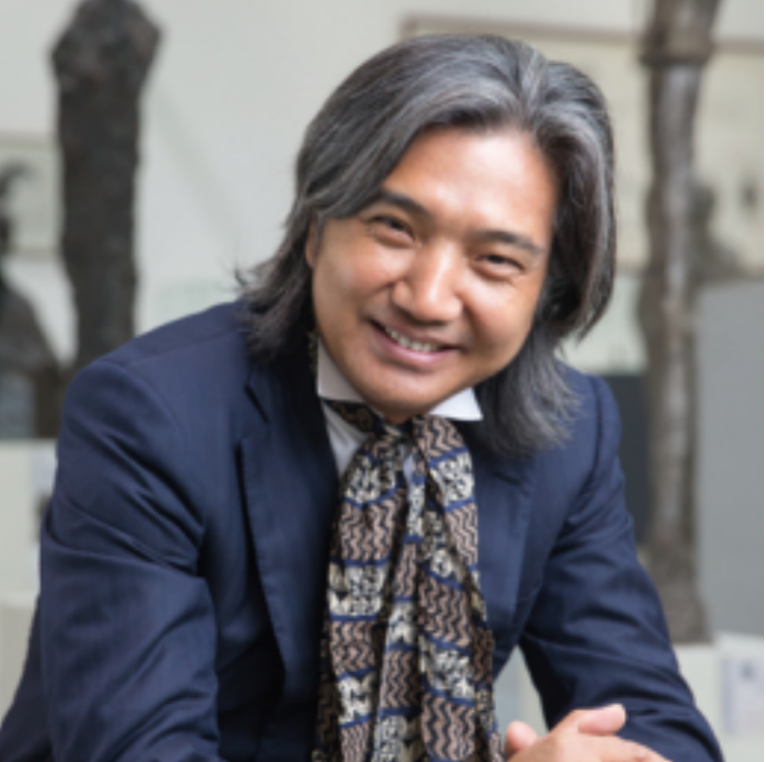
Wu Weishan
Internationally renowned sculptor. Deputy Secretary General of the National Committee of the Chinese People's Political Consultative Conference (CPPCC), Vice Chairman of the Central Committee of the Democratic League of China (DLD), Director of the National Art Museum of China (NAMOC), Vice Chairman of the China Artists Association (CAA), Vice Chairman of the Committee on Professional Ethics of Literary and Artistic Workers of the China Federation of Literary and Art Circles (CFLAC), and Chairman of the China Association of Urban Sculptors. He is a second-class professor of liberal arts, a doctoral supervisor of Tsinghua University, Nanjing University and China Academy of Art, the chief supervisor of Peking University - National Art Museum of China Postdoctoral Research Station, and enjoys the State Council's special governmental allowance.
Guest speaker\
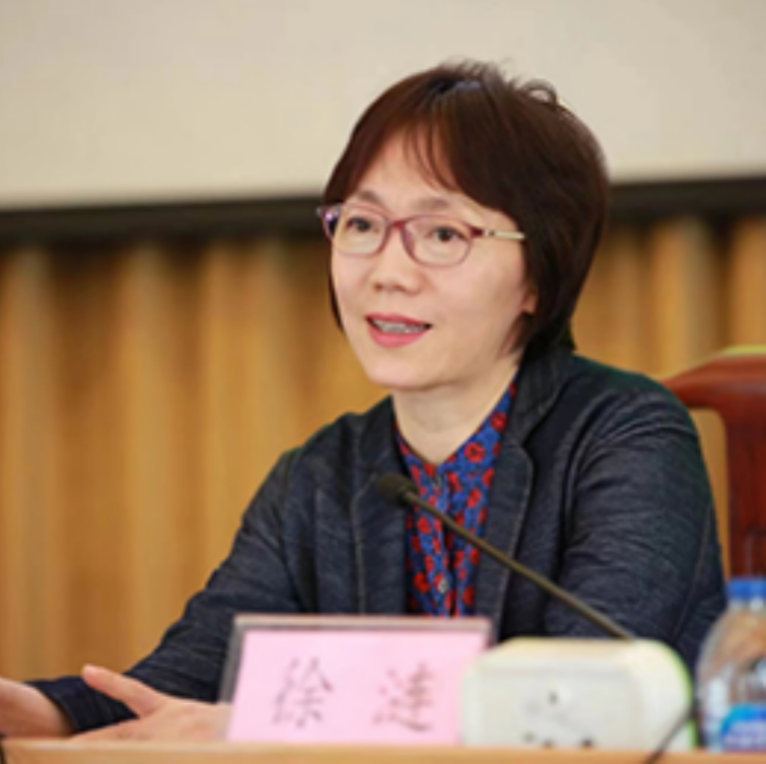
Xu Lian
Vice President, China National Academy of Painting
Presentation Topic:
Sculpture as an Image of Today's China
With the strong foundation provided by robust socio-economic development, and thanks to the growing cultural confidence and self-reliance, sculpture art is becoming a cultural landmark in cities and integrating into people's lives. More and more effective measures and practices are needed to convey cultural values to the people, to show today's image of China through sculpture, and to convey Chinese values to the world.
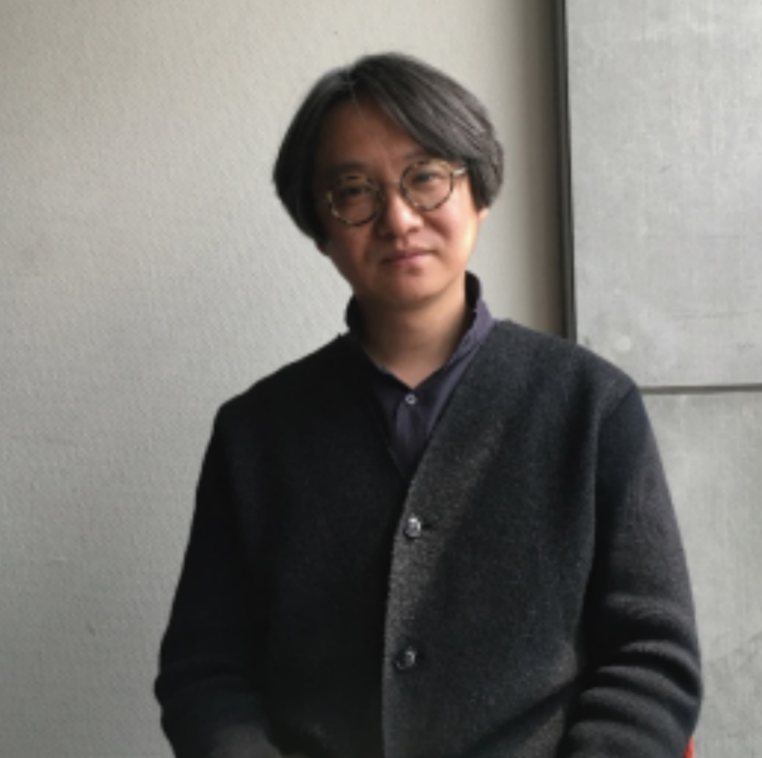
Wu Hongliang
President of Beijing Painting Academy
Presentation Topic:
"Biennials, Cultural Engines for Urban Development?
Taking the Venice Biennale, which started in 1895, as a case study, we will discuss the deep-seated reasons why it has been able to operate steadily and vigorously for a long period of time after more than a hundred years, and has even become the driving force supporting the development of Venice as a city. Then, we will think about what is worthy of our consideration and reference in terms of system construction, brand establishment and maintenance, and so on. Extending to the development of biennials in China, especially the Jinji Lake Biennial, we will discuss how biennials can reflect the characteristics of the city, sustainable programs, and enhance the soft power of culture and other issues.
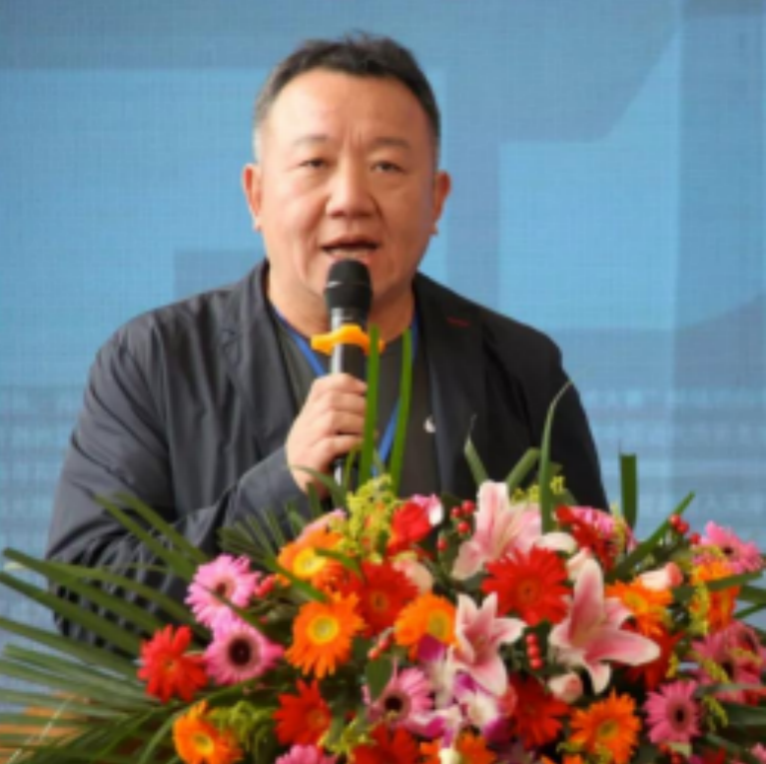
Sun Zhenhua
Vice Chairman of China City Sculptors Association
Presentation Topic:
Ecological Sculpture in China
Ecological civilization is a new form of civilization after hunting civilization, agricultural civilization and industrial civilization. The core of eco-sculpture is to shift from traditional anthropocentrism to eco-centrism, and to incorporate the ecological concepts of greenness, environmental protection, renewability, and sustainability into the creation of sculpture. By tracing the origins of ecological sculpture in China and its latest practice in contemporary times, the lecture will describe the concept, scope and characteristics of ecological sculpture, and at the same time look forward to the future development of ecological sculpture.
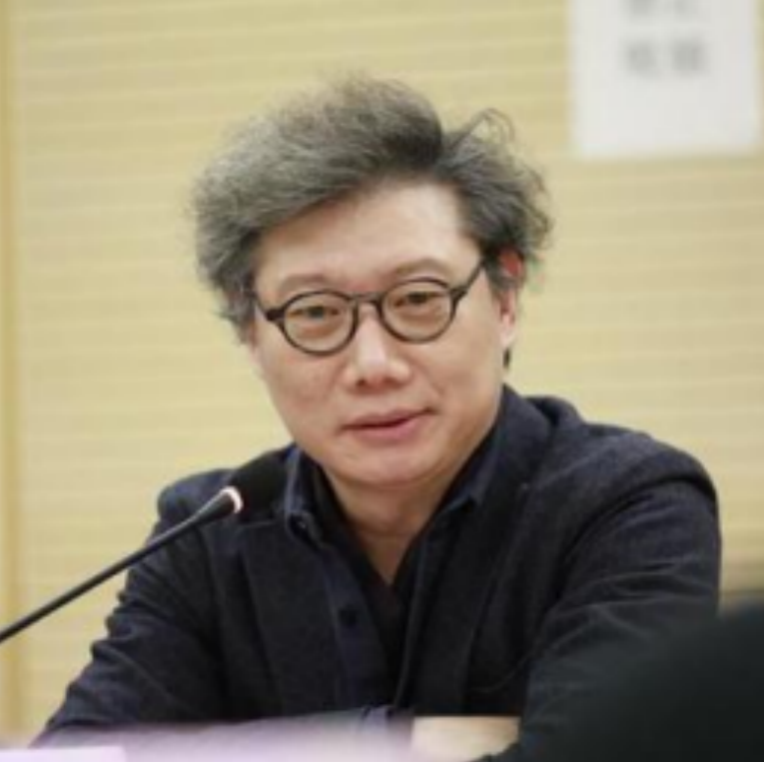
Shanghui
Director, Art Theory Committee, China Artists Association
Presentation Topic:
Gardens and Urban Sculpture
Suzhou, known as the city of gardens, has become a modern and economically developed city in China, and the corresponding development of urban sculpture has long been the cultural pulse of this modern city. This presentation examines the new visual experience brought by the Jinji Lake Biennale to the cultural capital of Suzhou and the shaping of a new city image, exploring the deep connection between garden imagery and the urbanization of figurative sculpture.
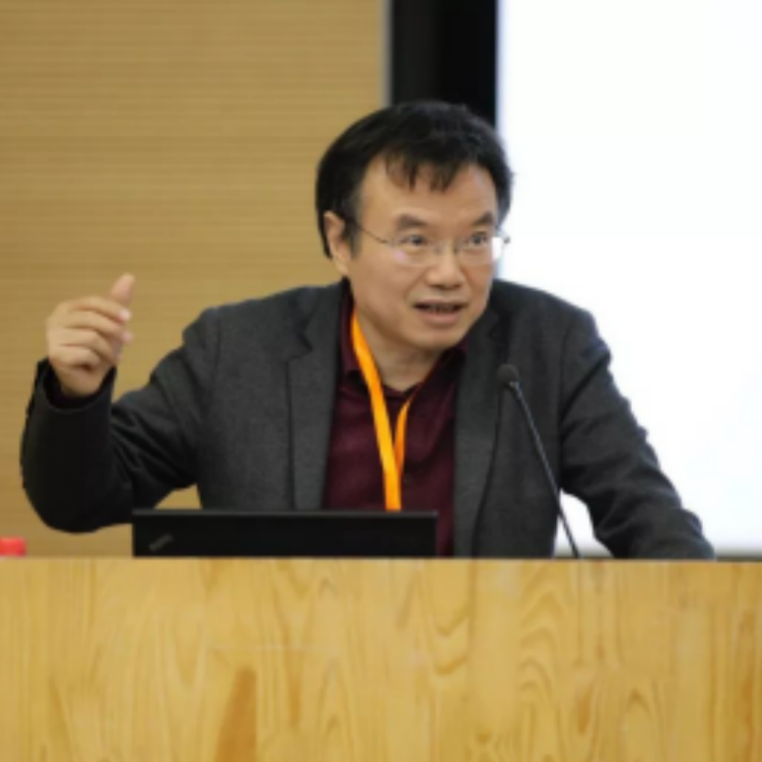
Peng Feng
Dean, College of Fine Arts, Peking University
Presentation Topic:
The Aesthetics of Writing and the Art of Writing
Some people summarize the characteristics of Chinese aesthetics in terms of imagery, mood, vividness, and chiaroscuro, etc. I think that writing is the most inclusive, which not only encompasses the meanings of these concepts, but also contrasts with Western aesthetics, which pursues realism. The spirit of realism is not only reflected in the plastic arts, but is also the goal pursued by traditional Chinese arts such as theater, garden, and music. Advocating the aesthetics of realism today not only helps to promote the spirit of Chinese aesthetics, but also helps contemporary art to get out of its predicament.
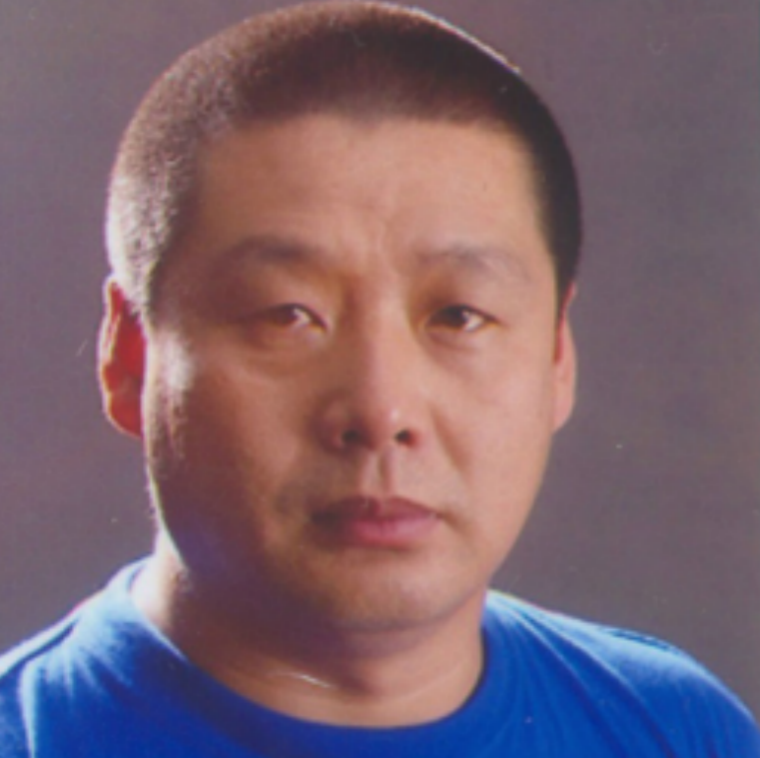
Zheng Guangxu
Vice President, Graduate School, China Academy of Art
Presentation Topic:
"Use your emotions, exert your strength, guard your integrity and innovate, and tell the story of China".
1. Urban sculpture is the face of the city.
2. To form a continuous big event on the basis of planning and competition. The beauty of the city of Suzhou is inseparable from the Biennale.
3. The new splendor of Suzhou culture and the sculpture of China's story are different stages and two sides of the same coin of the mission of the times.
4. How to convey the Chinese story. Keeping the integrity and innovation, guaranteeing the uniqueness of the place and the social identity. Use your heart and strength, and integrate the three passages and three shapes with your skills.
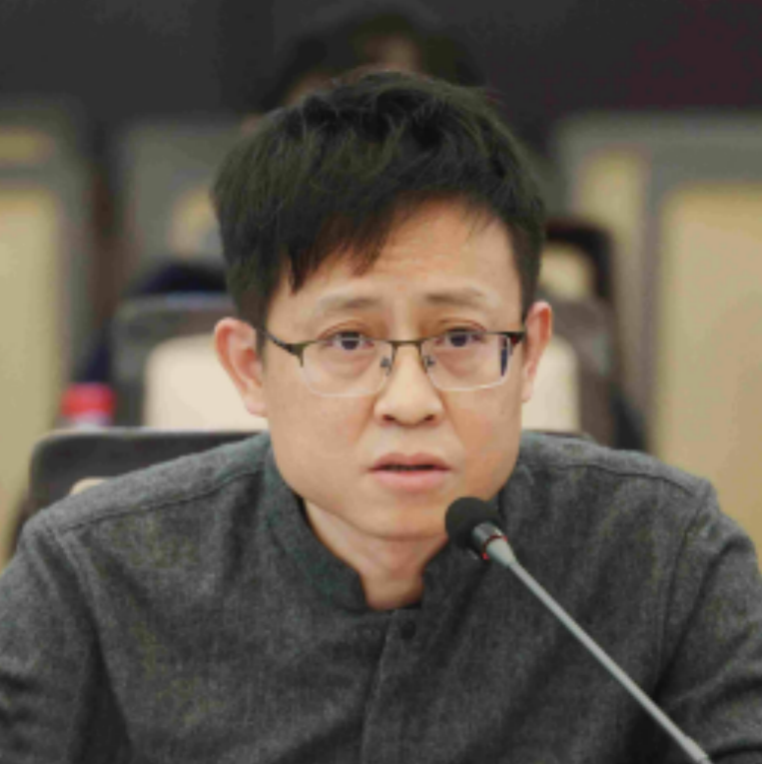
Hang Chun Xiao
Institute of Fine Arts, China Academy of Art
Deputy Director (presiding)
Presentation Topic:
Shape in Vessels: Alternative Presentations of Ancient Chinese Sculpture
Ancient Chinese carving, engraving, and molding were very different from today's conceptualization of sculpture, and one of the most easily overlooked is a kind of anthropomorphic image of a utilitarian artifact. In today's intellectual categorization, such objects are often viewed as crafts-it is difficult to discover their artistic aesthetic value because of their practicality. In view of this, attention to and scrutiny of such objects will not only help to reconceptualize the history of established Chinese art, but also help to "re-conceptualize" traditional Chinese ideology.
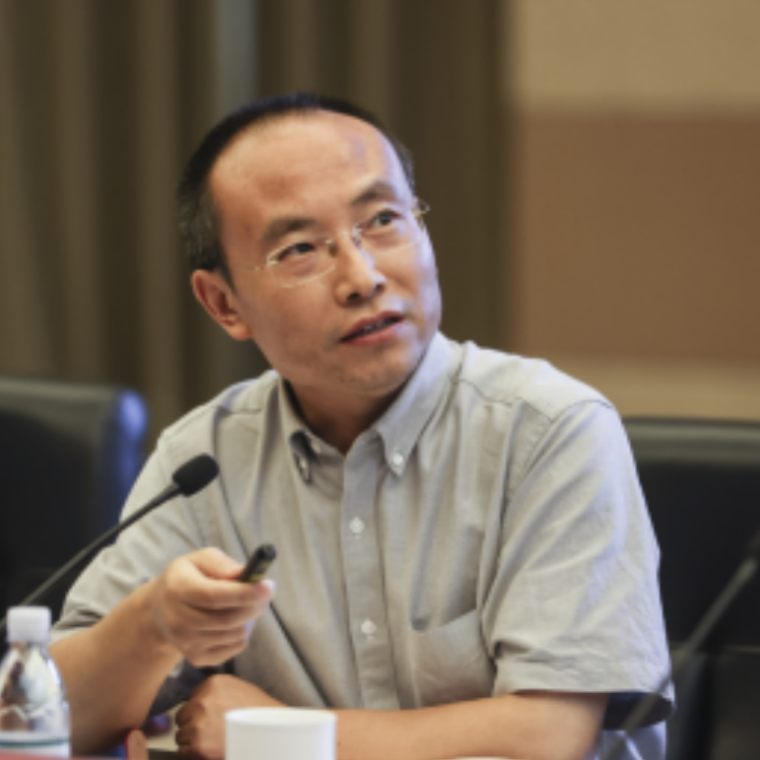
Shao Xiaofeng
Director of Exhibition Department, National Art Museum of China
Presentation Topic:
Telling the Story of Suzhou through Sculpture
Sculpture is closely related to Suzhou's culture of gardens, architecture, furniture and stone appreciation. In the new era, with many artists using sculpture to help, witness and promote the rapid development of Suzhou's culture, economy, science and technology, as well as the continuous display, dissemination and promotion of domestic and international sculpture in the six Jinji Lake Biennales, sculpture has become an important component of Suzhou culture, telling the world a number of wonderful stories about Suzhou.
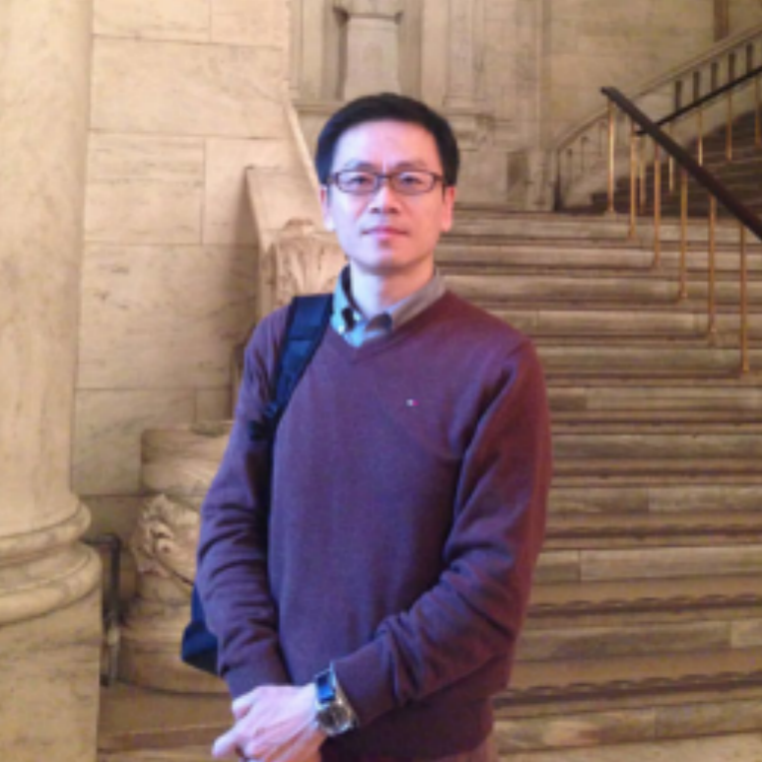
Cheng Yangyang
Director of Art Media Promotion Department, National Art Museum of China
Presentation Topic:
Making Solidified Sculptures "Come to Life" - Telling the Story Behind the Sculptures with Modern Media Means
A large number of excellent urban sculpture works have emerged in the new era, how to use modern media means of these works of creative concepts, artistic methods, especially on the cultural construction of the great significance of the public resonance and interaction to show good, promote good, is currently an important issue. To grasp the core elements of publicity, with the help of digital media technology, online and offline combination, better integration of national history and contemporary innovation, so that more urban sculpture works containing the spirit of China, Chinese culture into the public space, and further play the role of urban sculpture in the construction of socialist spiritual civilization.
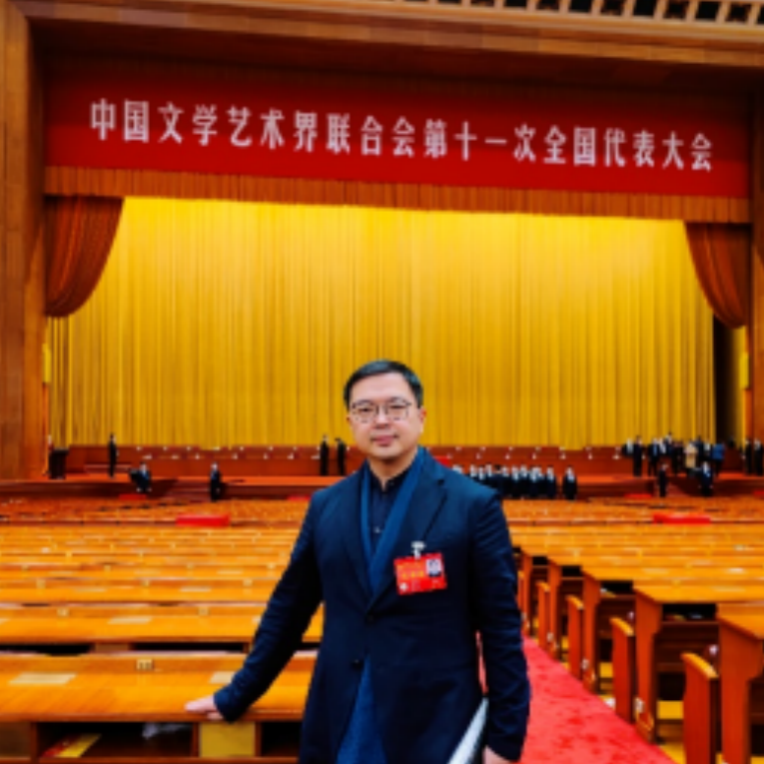
Shang Rong
Professor, Department of Philosophy, Nanjing University
Presentation Topic:
Adhering to Virtue and Promoting Scientific and Technological Self-Reliance and Self-Strengthening - Telling China's Story through the Art of Sculpture
The art of sculpture not only portrays the objective and real form, but also interprets the spiritual value of human beings and the temperament of the times. "Monument - Celebrating the 100th Anniversary of the Founding of the Communist Party of China Sculpture Exhibition" and "Scientific and Technological Stardust - Tribute to Scientific and Technological Workers Theme Sculpture Creation Exhibition "is a series of exhibitions launched by Jiangsu Sculptors Association in recent years, respectively, through the 29 awarded the "July 1 Medal" of meritorious model statues, art described the noble qualities of the Chinese Communist Party and lofty spirit; focus on the 35 national top science and technology awards winners, with the sculpture language to describe their patriotism and dedication to the country. Focus on the 35 winners of the National Top Science and Technology Awards, using the language of sculpture art to narrate their patriotic heart and ambition to serve the country.
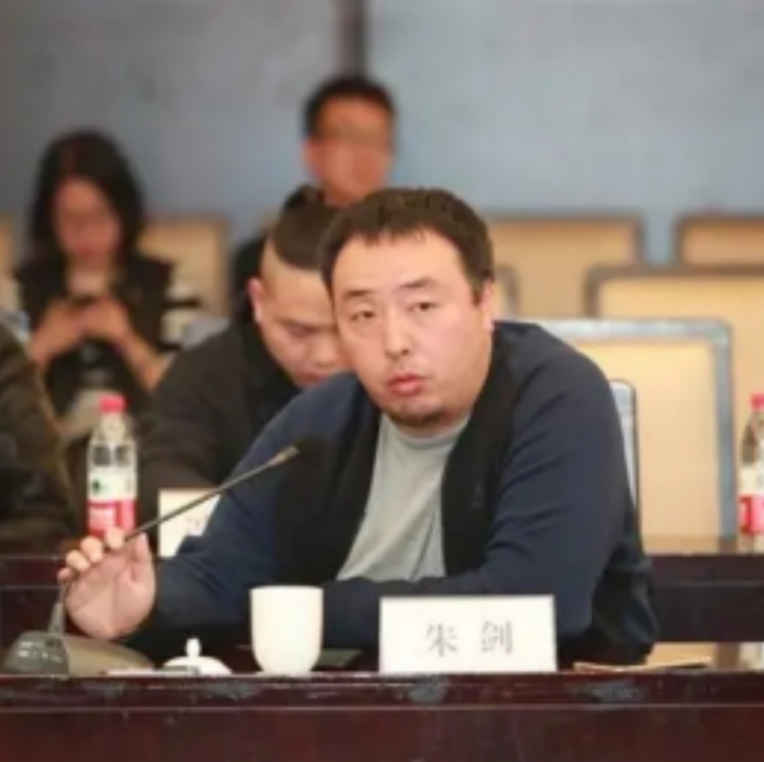
Zhu Jian
Head of Collection Collection Department, National Art Museum of China
Presentation Topic:
Searching for Roots and Transformation: From a Century of Development of Sculpture in the Written Word
Since the 20th century, Chinese sculpture, deeply influenced by Western sculpture, has been exploring the process of nationalization. In this process, whether it is creative practice or theoretical advancement, the characteristic of pictoriality has been more and more highlighted and emphasized along the development vein of "nationalization consciousness→imaginative→writing". In particular, the concept of "realistic sculpture" marks the continuation and extension of the traditional cultural lineage. Referring to the logic of the evolution of Chinese literati art, Chinese sculpture since the 20th century has returned to the tradition and realized self-discipline only after it has taken writing as a conscious aesthetic pursuit.

